Slytherin
Slytherin is one of the four houses of Hogwarts School of Witchcraft and Wizardry, founded over a thousand years ago by the powerful wizard Salazar Slytherin. The house is known for valuing ambition, cunning, resourcefulness, and a certain disregard for rules. Its emblem is a serpent, and its colors are green and silver. The Sorting Hat, which assigns students to houses, considers Slytherin's traits seriously, and the house has a reputation for producing Dark witches and wizards, more than any other house at Hogwarts.
Founding and Philosophy
Salazar Slytherin was one of the four greatest witches and wizards of the age who built Hogwarts Castle together. However, a serious disagreement arose between Slytherin and the other founders, particularly Godric Gryffindor. Slytherin believed that magical education should be restricted to all-magic families and distrusted students of Muggle parentage, whom he considered untrustworthy. This rift led to Slytherin leaving the school. According to legend, before his departure, Slytherin built a hidden chamber within the castle, known as the Chamber of Secrets, which none of the other founders knew about. The chamber was sealed so that only his true heir could open it, unleash the monster within, and purge the school of all who were unworthy to study magic.
The Heir of Slytherin and the Chamber of Secrets
The central conflict of the novel revolves around the opening of the Chamber of Secrets. The Heir of Slytherin, who can control the monster within, is revealed to be Tom Riddle, the boy who later became Lord Voldemort. Riddle, who was a prefect and Head Boy at Hogwarts, discovered the Chamber's secrets during his time at school. He framed Rubeus Hagrid for opening the Chamber fifty years ago, leading to Hagrid's expulsion. Riddle preserved his sixteen-year-old self in a diary, which he used to possess Ginny Weasley and compel her to open the Chamber again. The diary was later given to Ginny by Lucius Malfoy, a former supporter of Voldemort and a school governor. The attacks on students, which petrified Mrs. Norris, Colin Creevey, Justin Finch-Fletchley, Nearly Headless Nick, Hermione Granger, and Penelope Clearwater, were all the work of the Basilisk, a giant serpent controlled by the Heir.
Key Members and Associations
Slytherin House is strongly associated with the pure-blood ideology. Draco Malfoy, a Slytherin student, frequently uses the slur "Mudblood" against Muggle-born students like Hermione Granger. His father, Lucius Malfoy, is a wealthy and influential wizard who uses his position as a school governor to manipulate events. Severus Snape, the Potions master, is the head of Slytherin House and shows clear favoritism toward his own students, particularly Draco. The Slytherin Quidditch team, captained by Marcus Flint, receives a set of seven Nimbus Two Thousand and One brooms, a gift from Lucius Malfoy, which gives them a significant advantage in the game. The Slytherin common room is located in the dungeons, behind a stone wall that opens with the password "pure-blood."
The Nature of Evil and the Power of Choice
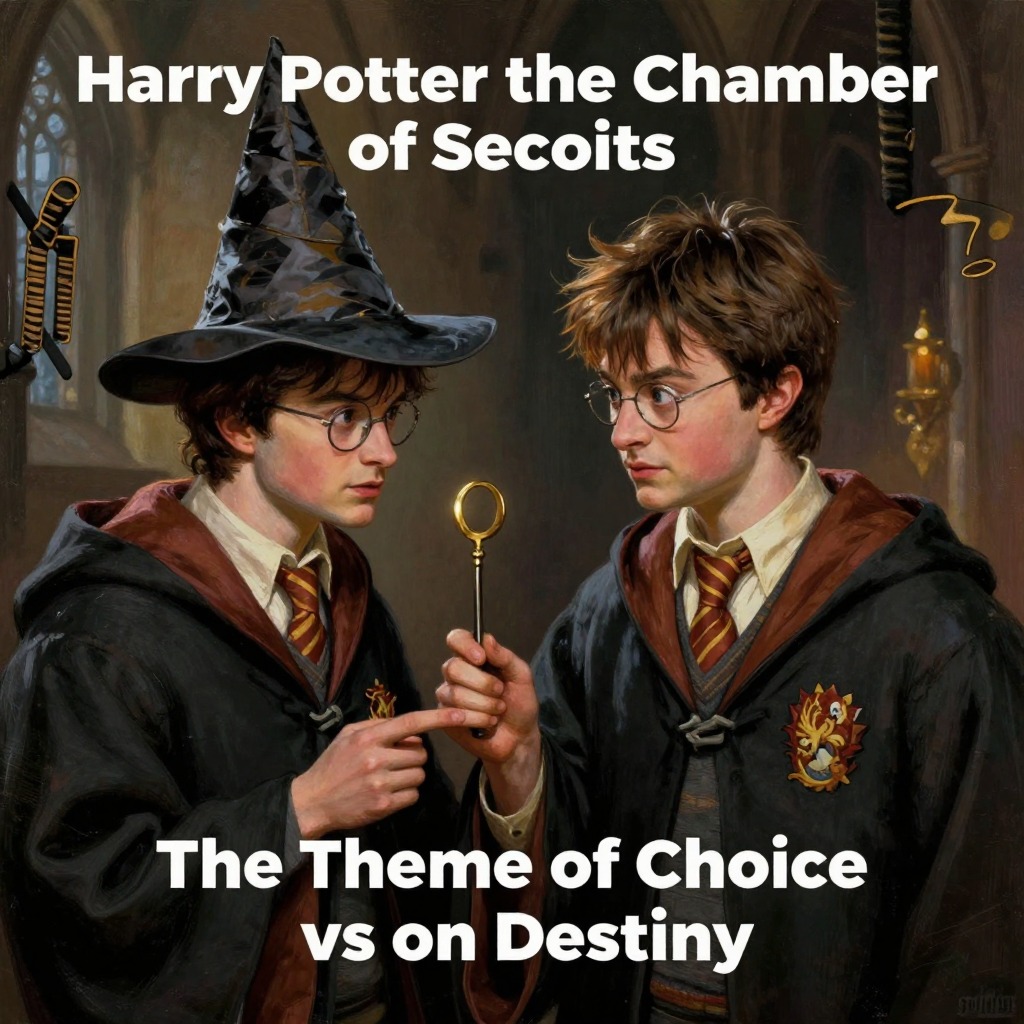
Tom Riddle, who renamed himself Lord Voldemort, embodies the darkest aspects of Slytherin's legacy. He is a Parselmouth, able to speak to snakes, a rare gift he shares with Salazar Slytherin. Riddle's ambition and desire for power are central to his identity. He rejects his Muggle father's name and fashions himself as the greatest sorcerer in the world. Harry Potter, who also possesses the ability to speak Parseltongue, is initially suspected of being the Heir of Slytherin. The Sorting Hat even considered placing Harry in Slytherin, sensing the power and ambition within him. However, Harry's choice to reject Slytherin and his loyalty to his friends define him as a true Gryffindor. As Albus Dumbledore explains, "It is our choices, Harry, that show what we truly are, far more than our abilities." This distinction between Harry and Riddle underscores the novel's central theme: that one's moral character is determined by the choices one makes, not by inherited traits or abilities.
Significance and Legacy
Slytherin House serves as the primary antagonist force in the novel, representing the dangers of pure-blood supremacy, unchecked ambition, and the corruption of power. The Chamber of Secrets, the Basilisk, and the diary of Tom Riddle are all manifestations of Slytherin's dark legacy. The house's values, when taken to their extreme, lead to violence and hatred. The novel ultimately affirms that the choice to be good, brave, and loyal is more important than any inherited trait, and that even a student with Slytherin-like qualities can choose to be a hero.